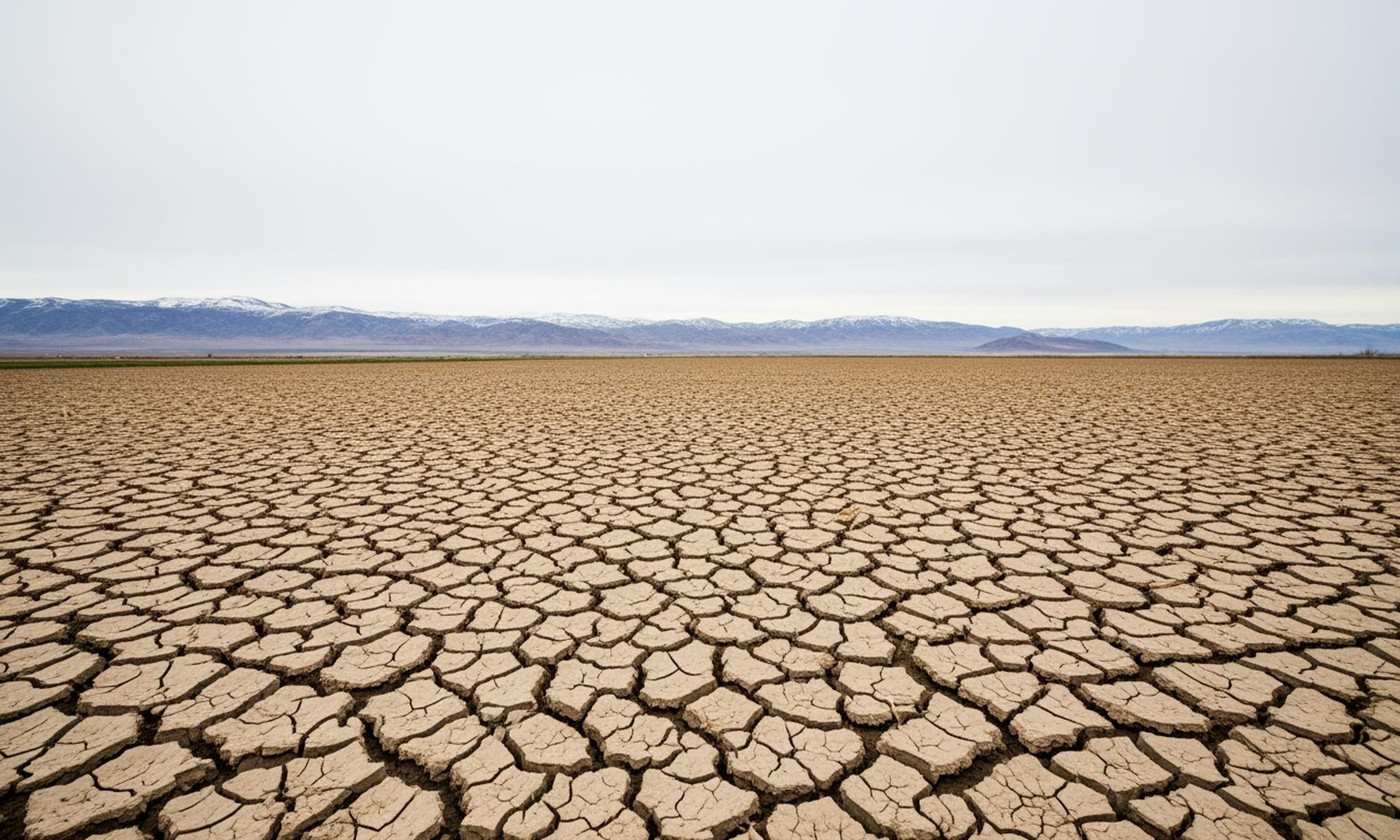
Low Snowpack Strains Western US Agriculture
• The Western United States is experiencing significant agricultural challenges due to unusually low snowpack levels.
• Snowpack, which serves as a crucial water reserve by feeding rivers and farms during the warmer months, is currently far below historical averages.
• This shortfall is particularly concerning as the region is a major supplier of the nation's fruits, vegetables, tree nuts, dairy, cattle, wheat, and hay.
Why It's Important?
The reduced snowpack is attributed to warmer temperatures and shifting precipitation patterns, indicative of broader climate change trends. These conditions result in more precipitation falling as rain and earlier snowmelt, diminishing water supplies during crucial growing seasons. Farmers are adopting adaptation strategies such as investing in efficient irrigation technologies, planting drought-resistant crops, and implementing water conservation practices. However, these measures require substantial investment and may not fully compensate for water deficits.
Related News