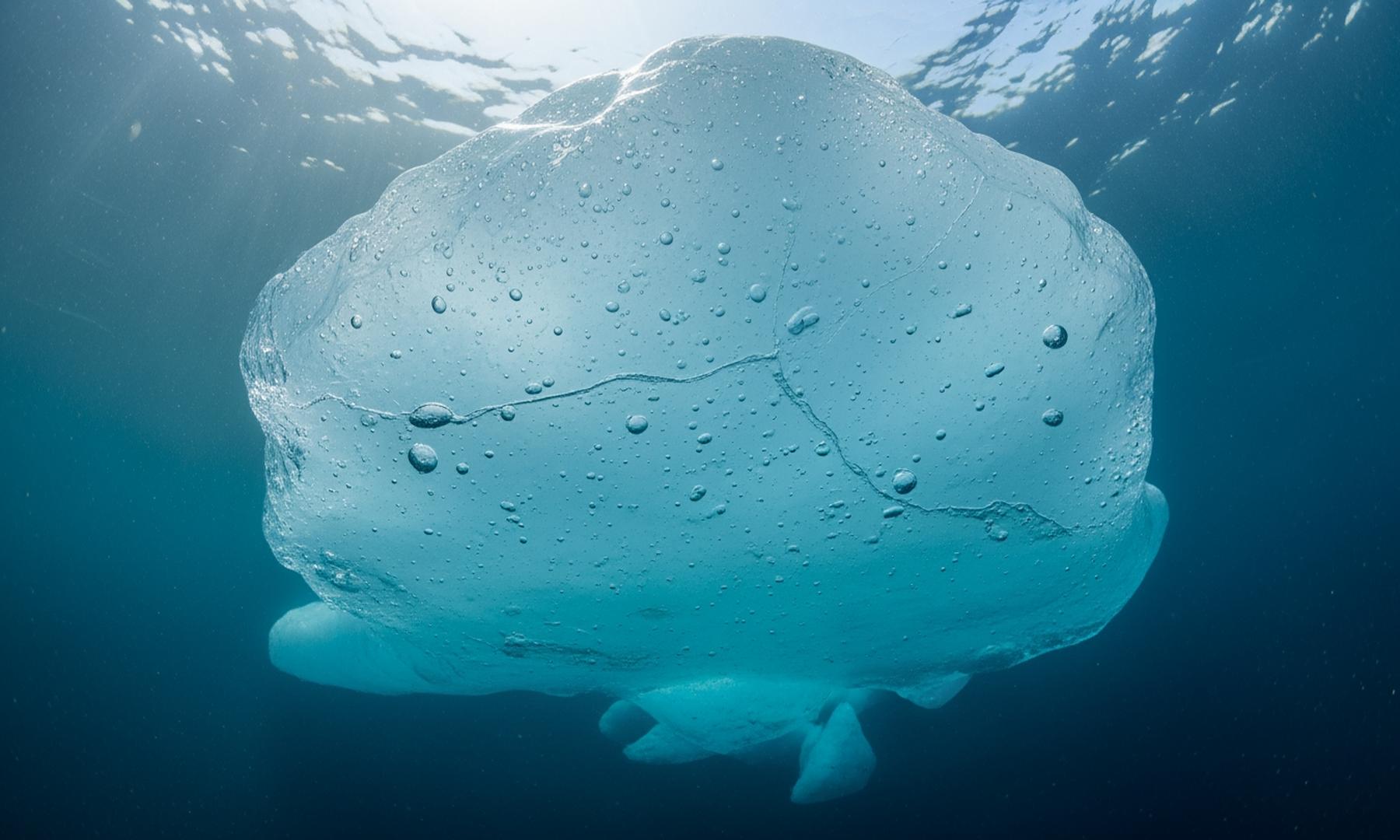
Antarctica's Melting Ice Alters Marine Ecosystems
• Dramatic loss of sea ice in Antarctica is transforming marine ecosystems in the Southern Ocean.
• Decline in krill populations and a rise in salps threaten the ocean's ability to store carbon.
• Melting ice contributes to warming ocean temperatures, creating a feedback loop that accelerates climate change.
Sea ice loss impacts Antarctic ecosystems
Recent satellite data unveils a concerning trend: significant sea ice loss in Antarctica, profoundly impacting the Southern Ocean's marine ecosystems. Over the last decade, stable ice has rapidly melted, altering the region's climate and leading to a decline in krill populations, a crucial component of the Antarctic food chain. Simultaneously, salps, which thrive in ice-free waters, are on the rise. This ecological transformation, highlighted by the Indian Defence Review, carries global implications, particularly concerning the ocean's capacity to store carbon, as salps are less effective in carbon sequestration compared to krill.
Related News