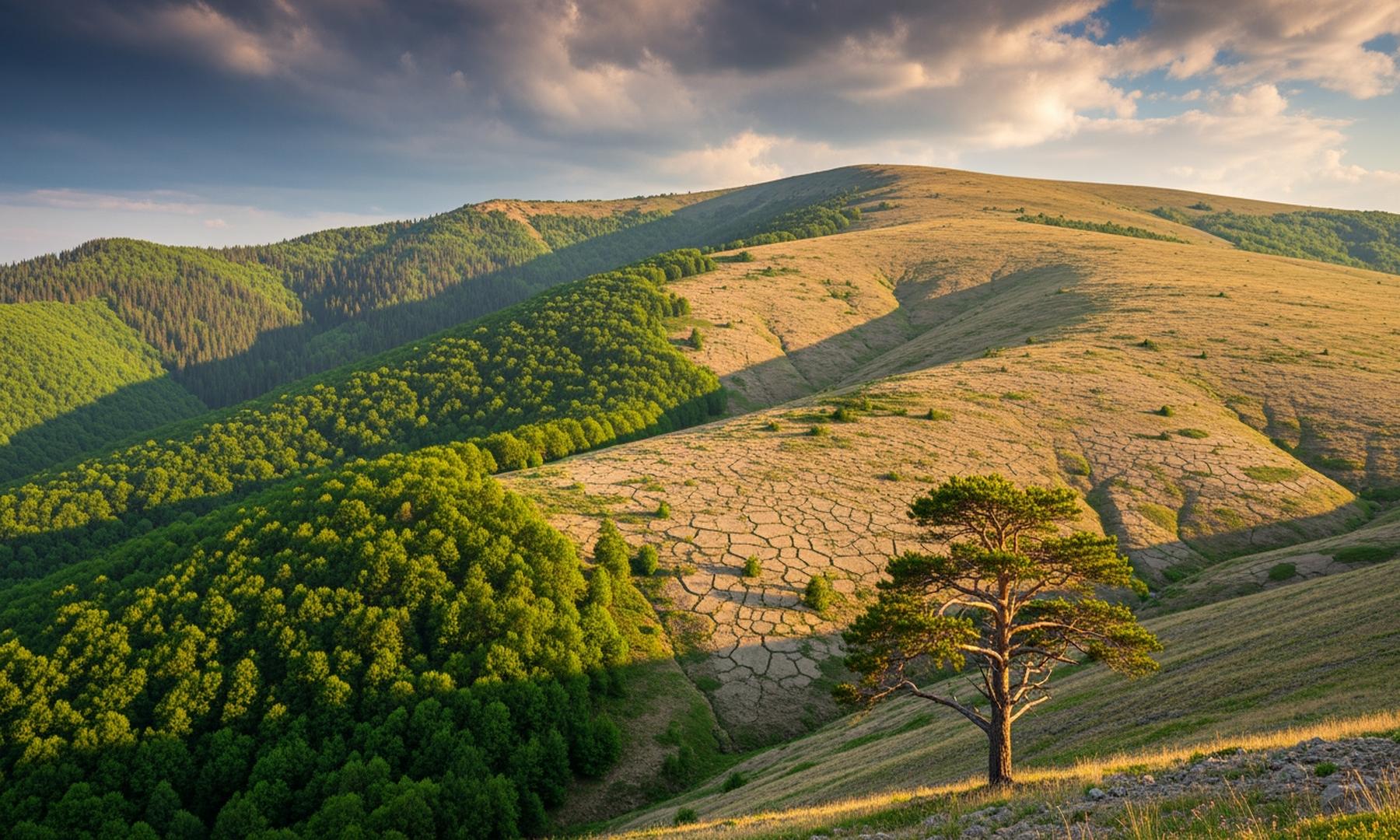
U.S. National Parks Face Ecological Transformation Due to Climate Change
• Une étude récente révèle que les deux tiers des parcs nationaux américains sont très exposés aux menaces liées au climat, telles que les incendies de forêt et la sécheresse.
• 77 % des parcs présentent une forte vulnérabilité en raison du changement climatique, en particulier dans le Midwest et l'Est en raison de paysages fragmentés.
• Le National Park Service adopte un cadre de « résistance, acceptation, orientation » pour gérer les changements écologiques et préserver ces ressources.
Ecological transformation in U.S. National Parks
A new study published in *Conservation Letters* highlights the significant ecological transformation that U.S. National Parks are undergoing due to climate change. The research evaluated 259 park units across the contiguous United States, focusing on their exposure, sensitivity, and adaptive capacity. Two-thirds of the parks face high exposure to threats like wildfires, droughts, pests, and sea-level rise, while 77% exhibit high vulnerability either system-wide or to specific hazards. Parks in the Midwest and East are particularly at risk due to fragmented landscapes, while Western parks face challenges from severe fires and prolonged droughts.
Related News