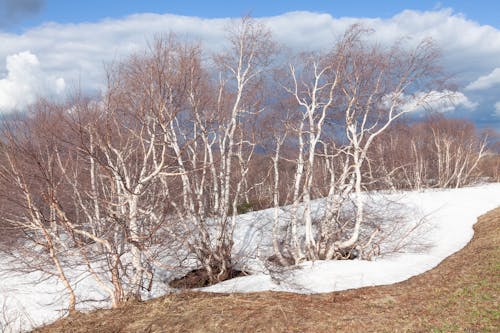
January Thaw Explained: Why Winter Can Briefly Feel Like Spring
• A January Thaw is a midwinter warm spell that melts snow and ice.
• Common in late January, it's noticeable in the central and eastern U.S.
• The thaw is temporary, followed by colder air and refreezing conditions.
Brief melting of snow and ice in January
A January Thaw occurs when a surge of warm air brings several days of above-freezing temperatures in midwinter, briefly melting snow and ice. Most common in the second half of January, thaws are especially noticeable in the central and eastern U.S. These warm spells can feel like a “false spring,” easing cold stress and energy use. However, they are temporary, and colder air usually follows, allowing melted snow to refreeze and create slippery conditions.
Related News