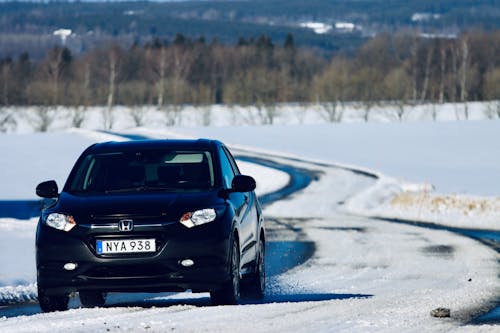
Why Black Ice Forms on Bridges & Shaded Roads — Winter Driving Hazard
• Black ice is a nearly invisible ice glaze that forms on roads when moisture freezes at or near freezing temperatures, creating extremely slippery conditions.
• Bridges, overpasses, and shaded roads are particularly susceptible to black ice because they cool faster and stay colder longer than ground-level pavement.
• To stay safe, drivers should slow down, increase following distance, avoid sudden movements, and be aware of surroundings, especially in areas prone to black ice.
Thin, transparent ice on roadways is dangerous
Black ice is a thin, transparent layer of ice that forms on roadways, making it incredibly treacherous for drivers. It's virtually invisible, blending seamlessly with the pavement, which is why it's such a significant winter driving hazard. This type of ice typically develops when temperatures hover around freezing, and moisture from rain, snow, or even condensation freezes on the road surface.
Related News