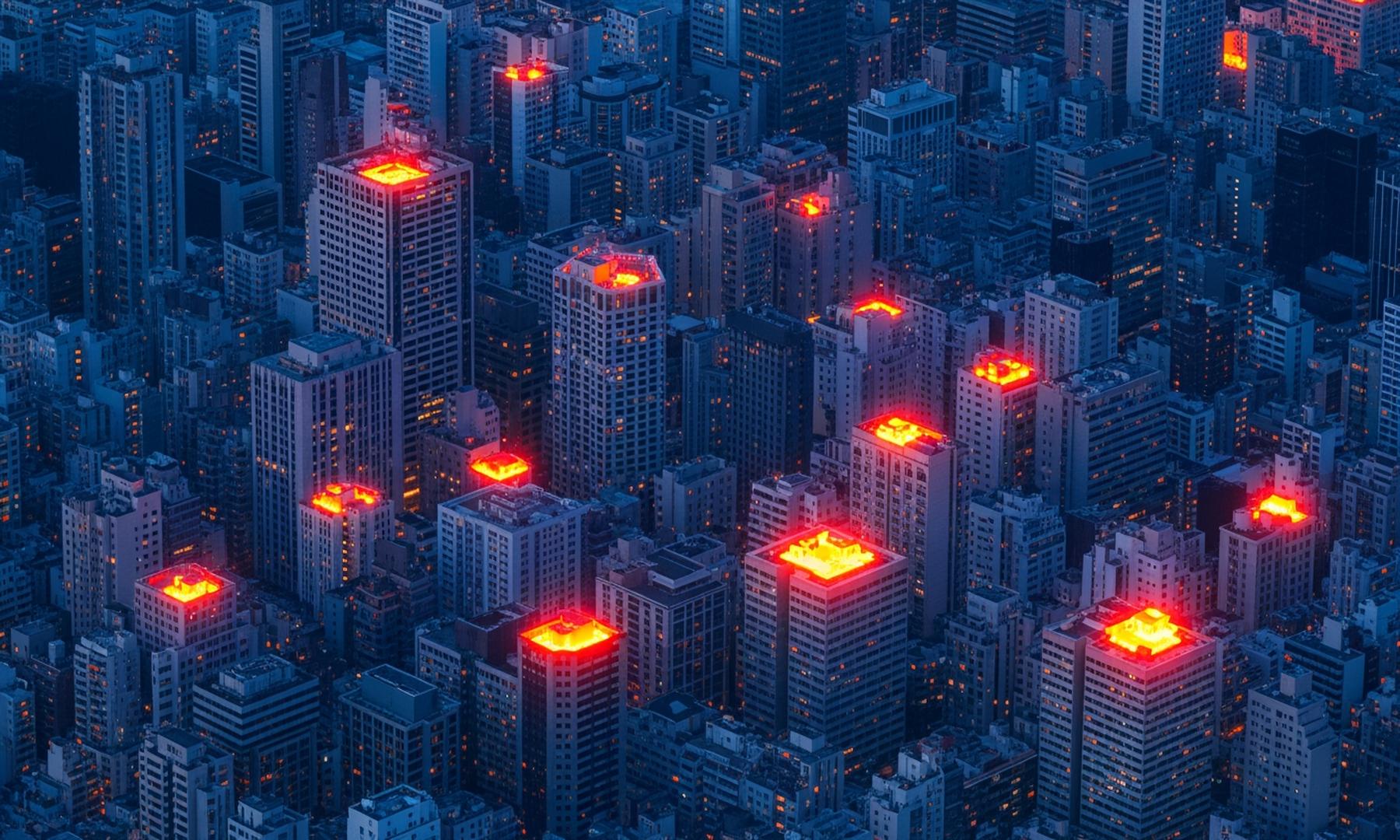
Urban Heat Pockets Intensify Across U.S. Cities
• Urban heat pockets intensify in U.S. cities due to concentrated infrastructure and lack of vegetation.
• These heat pockets lead to increased energy consumption for cooling and discomfort for residents.
• Sustainable urban design and increased greenery are key strategies to mitigate the urban heat island effect.
Cities face intensified heat pocket challenges
Urban areas across the United States are grappling with intensified heat pockets, a phenomenon where localized regions within cities become significantly warmer than their surroundings. This is primarily attributed to the high concentration of buildings, roads, and infrastructure that absorb and retain heat, compounded by a scarcity of vegetation and green spaces that naturally cool the environment. As cities expand, these heat pockets become more pronounced, leading to increased energy consumption for cooling and heightened discomfort for residents. This urban heat effect is a growing concern for city planners and environmentalists, who are actively seeking ways to mitigate its impact through sustainable urban design and increased greenery.
Related News