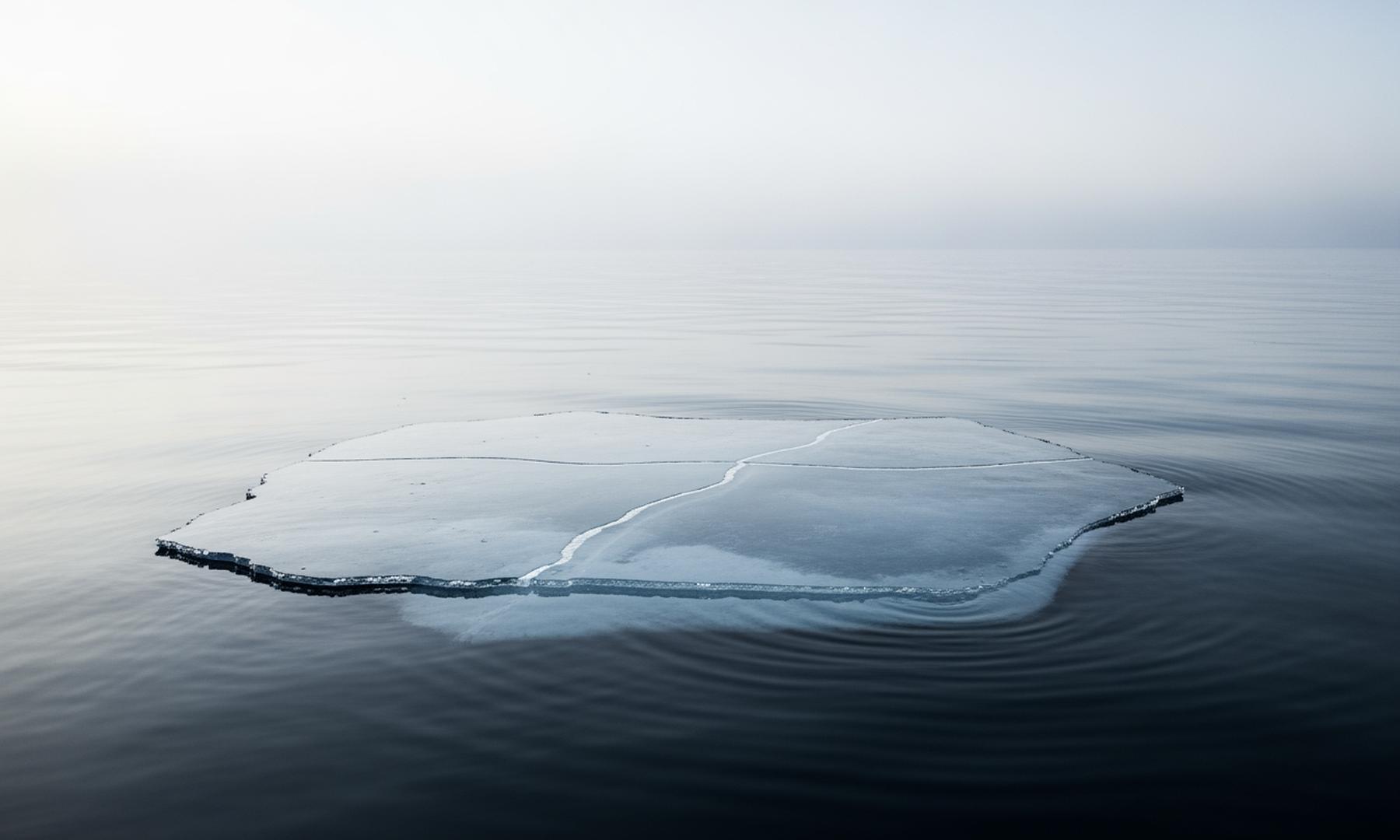
Arctic Sea Ice Reaches Record Low Winter Level Amid Global Heat Records
• Arctic sea ice reaches record low winter level, matching the previous record due to rising global temperatures.
• Reduced ice cover affects Earth's climate by decreasing sunlight reflection and increasing ocean heat absorption, potentially leading to extreme weather events.
• Record heat observed across the United States, Mexico, Australia, Northern Africa, and parts of Northern Europe, with numerous temperature records broken.
Arctic sea ice at record low winter level
The Arctic sea ice has plummeted to a record low winter level, tying the previous record, amidst the backdrop of rising global temperatures. The National Snow and Ice Data Center reported that the peak winter ice extent was 5.52 million square miles, a slight decrease from the previous year. This decline is primarily attributed to warming temperatures, particularly in the polar regions, which impede ice growth. The diminishing ice levels are significant as they affect Earth's climate by reducing the amount of sunlight reflected back into space, thereby increasing ocean heat absorption. This phenomenon is linked to changes in atmospheric pressure and potentially alters the jet stream, contributing to extreme weather events. Concurrently, record-breaking heat has been observed across the United States, Mexico, Australia, Northern Africa, and parts of Northern Europe, with numerous temperature records shattered.
Related News