Freeze-Thaw Cycle Causes Pothole Spike in Southeast Michigan
• Southeast Michigan experiences a surge in potholes due to the ongoing freeze-thaw cycle.
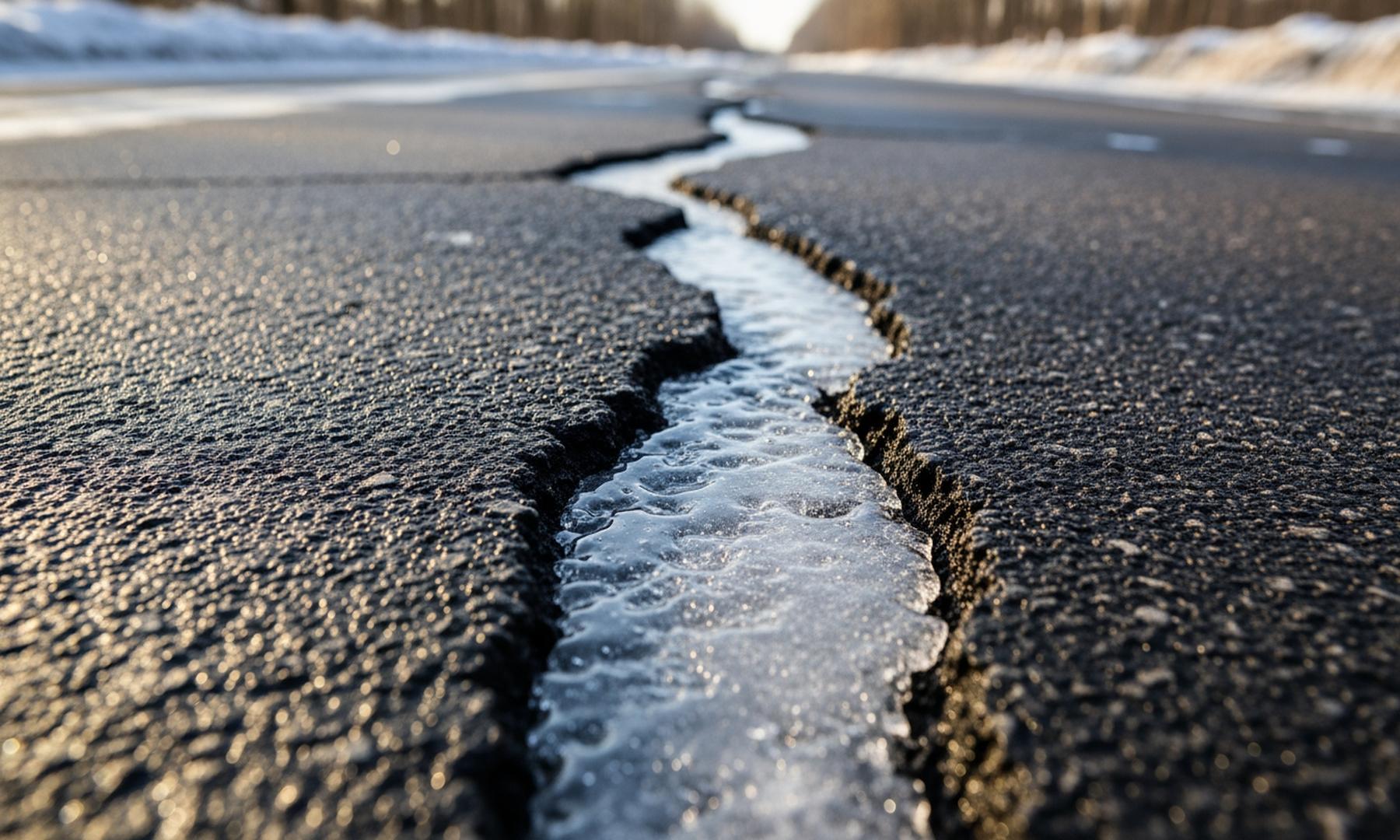
• Repeated freezing and thawing of water in pavement cracks causes expansion and contraction, leading to pothole formation.
• Local authorities are actively repairing roads, but the continuous cycle poses challenges; motorists are urged to drive cautiously.
Freeze-thaw cycle causes increase in potholes
Southeast Michigan is currently facing a significant increase in potholes due to the persistent freeze-thaw cycle. This weather phenomenon, characterized by fluctuating temperatures around freezing, causes water to infiltrate pavement, expand when frozen, and contract upon thawing. This continuous process puts stress on the road's structure, leading to the formation of potholes. CBS News Detroit reports that this winter's active freeze-thaw cycle has worsened road damage across the region. The freeze-thaw cycle occurs as water seeps into cracks, freezes, and expands, weakening the pavement. When temperatures rise, the ice melts, leaving voids that grow with each cycle, eventually forming potholes.
Related News