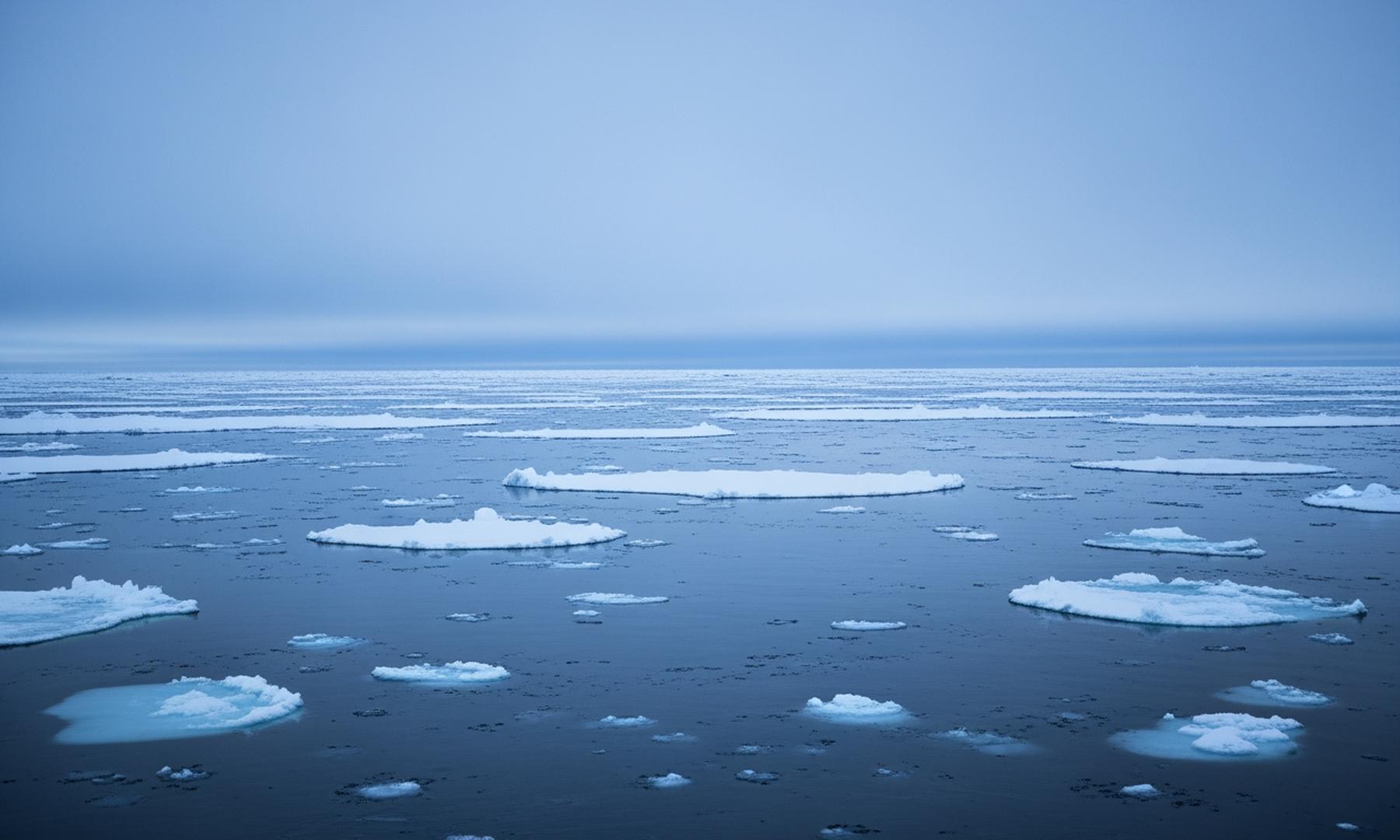
Arctic Winter Sea Ice Reaches Record Low for Second Year
• Arctic winter sea ice tied a record low for the second year in a row, according to NASA and NSIDC data.
• ICESat-2 data shows the ice is not only less extensive but also thinner, especially in the Barents Sea and the Sea of Okhotsk.
• The long-term trend of decreasing Arctic sea ice, observed since 1979, has significant global climate implications.
Arctic sea ice at record low again
Data from NASA and the National Snow and Ice Data Center (NSIDC) reveals that Arctic winter sea ice has reached a record low for the second consecutive year. On March 15, 2026, the sea ice matched the 2025 record, reaching its annual maximum extent at 5.52 million square miles (14.29 million square kilometers), significantly below the 1981-2010 average. NASA’s ICESat-2 satellite data indicates that the ice is also thinner, particularly in the Barents Sea and the Sea of Okhotsk. This continues a declining trend since satellite monitoring began in 1979, with current levels about half a million square miles below the historical average.
Related News