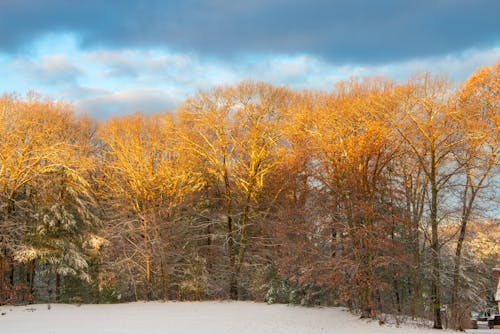
Why Screens Feel Brighter in Low-Winter Sun — Light Physics Explained
IN · Published Jan 5, 2026
• The lower angle of the sun in winter causes sunlight to scatter, impacting perceived brightness.
• Reduced ambient light in winter increases the contrast between screens and their surroundings, making screens appear brighter.
• Human visual adaptation and screen technology enhance the perceived brightness of screens in low-light winter conditions.
Read Full Article
From Fabric to Stone—AI Maps Winter Texture Aesthetics
IN · Published Jan 7, 2026
• AI is transforming weather data into visual textures, enhancing understanding of winter patterns.
• AI maps of winter textures improve weather forecasts and help people make informed decisions.
• Analysis of historical data using AI texture mapping aids in climate research and tracks changes in snow cover.
Read Full Article
Why Pets Choose Corners Over Windows in Deep Winter
IN · Published Jan 7, 2026
• Pets often prefer corners in winter for security and protection from perceived threats.
• Corners provide a more stable temperature, shielding pets from drafts and cold air near windows.
• Seeking corners can be a response to winter-related anxiety, loud noises, or changes in routine.

Read Full Article
Why Parks Look Bare in the Morning and Brighter by Noon in Winter
IN · Published Jan 7, 2026
• The low sun angle in the morning casts long shadows, making parks appear bare.
• Snow's high albedo reflects sunlight, brightening parks by noon.
• Melting frost and increasing daylight hours also contribute to the change in brightness.
Read Full Article